Pick a tone on one emoji and every other emoji updates to match: every hand, gesture, and person emoji, in one tap. It is available to everyone who types with Gboard.
One emoji vs. all emoji
| Before | After |
|---|---|
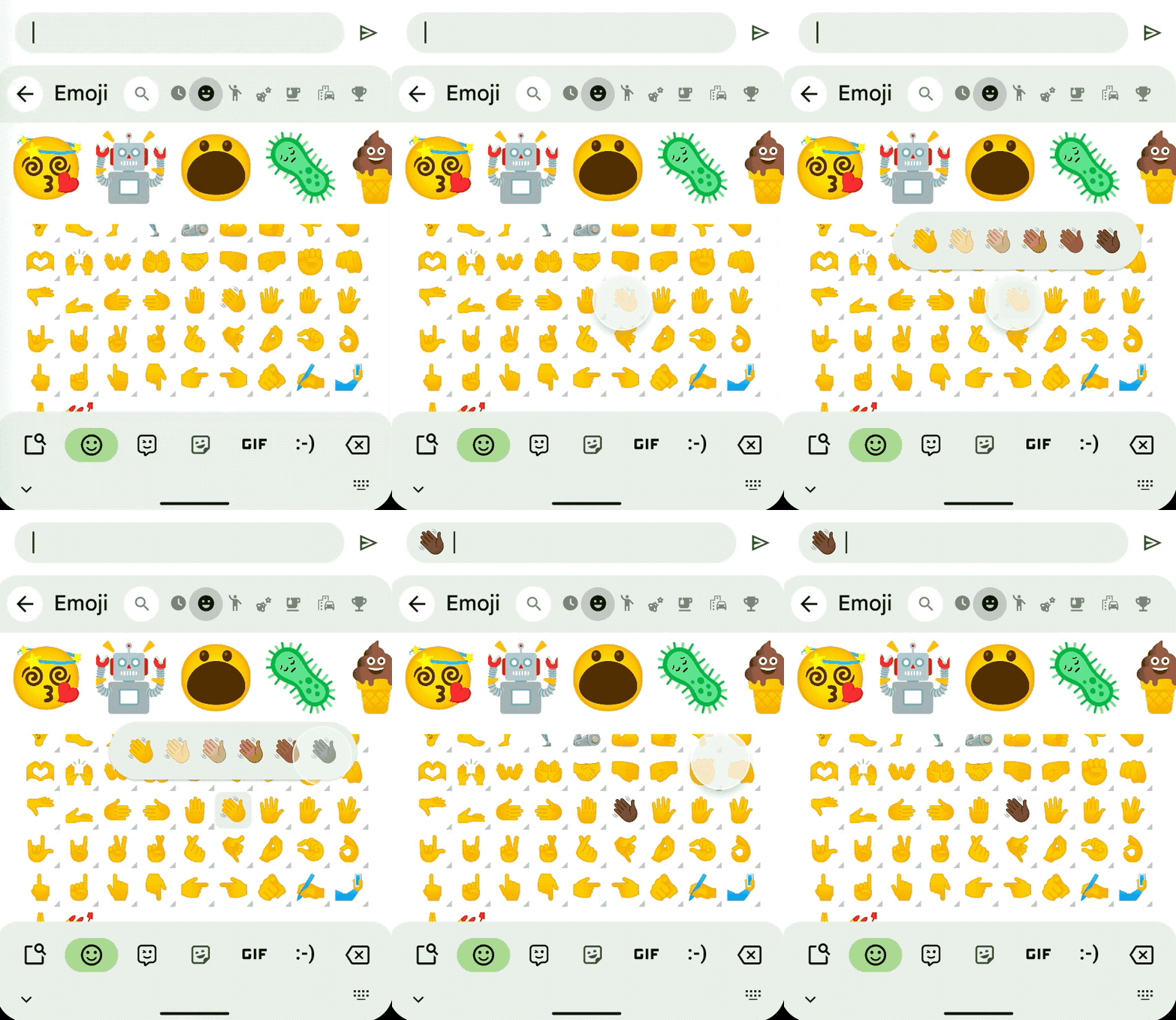 | 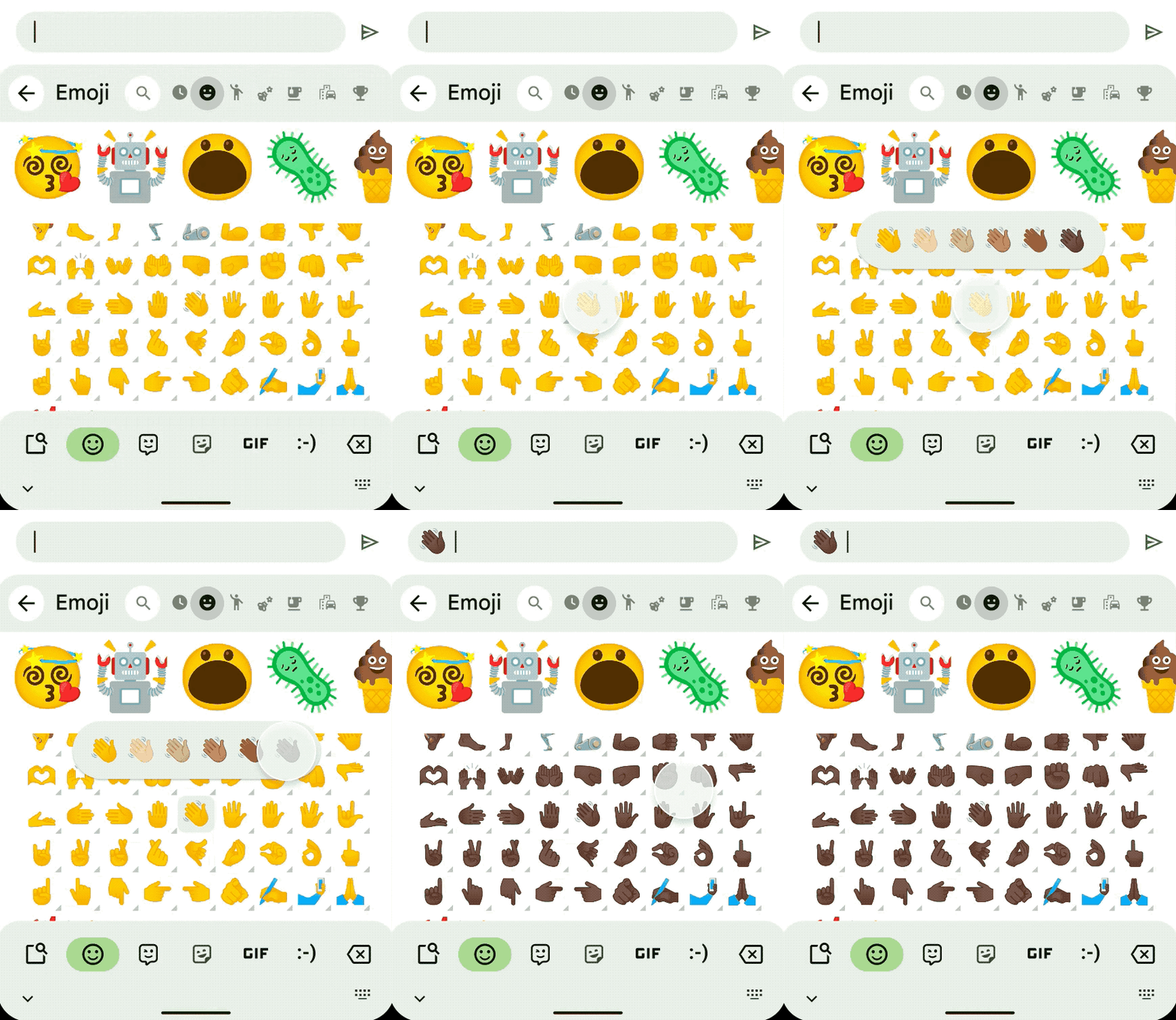 |
Setting the tone and gender of every compatible emoji takes more than 300 taps if you do it one emoji at a time.
The research
Our study of 2,000 participants found that tone choice depends less on which emoji you send than on who you're sending it to. Gold emoji are more common in professional settings. Skin tones are used more when people are comfortable with their audience. Most people keep one consistent tone, and a quarter switch regularly. The redesign responds to the context of use rather than the content of use.
A behavior change
The emoji artwork is unchanged; only the behavior changed. That behavior matches what users already did manually: keep one tone everywhere, change it when the audience changes. The keyboard now does it in one tap.
"…adjust one and this preference will be applied to every other compatible emoji…" The Keyword
A redesign that impacts everyone
Everyone who sends a human emoji makes a tone choice; gold is a choice too. The redesign applies to all of them, one tap instead of hundreds.
Using skin-toned emoji "creates a sense of connection, pride and representation." —Our emoji research
The setting also appears outside Gboard: Google Meet uses the same global skin tone for reactions.
Press and recognition
Announced on The Keyword, covered by 9to5Google, and featured in Google's World Emoji Day post. The project was an Anthem Awards finalist for Responsible Technology (Innovation).